
Blog posts tagged "Design"
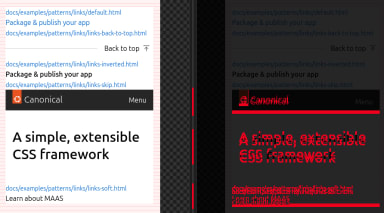
What is Visual Testing? Visual testing analyses the visual appearance of a user interface. Snapshots of pages are taken to create a “baseline”, or the current expectation of how each page should appear. Proposed changes are then compared against the baseline. Any snapshots that deviate from the baseline are flagged for review. For example
Why aren’t there more design contributions in open source? Help us find out!
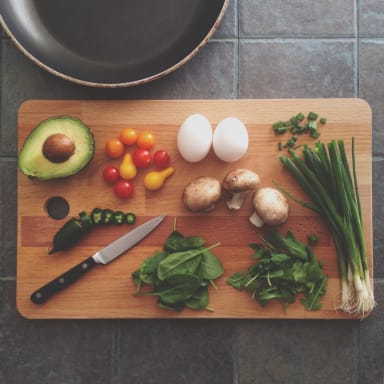
In essence, High Performance Computing (HPC) is quite simple. Speed and scale. In practice, the concept is quite complex and hard to achieve. It is not dissimilar to what happens when you go from a regular car to a supercar or a hypercar – the challenges and problems you encounter at 100 km/h are vastly
Today, around 96% of software projects utilize open source in some way. The web team here at Canonical is passionate about Open source. We lead with an open-by-default approach and so almost everything we do and work on can be found publicly on the Canonical Github org. It is not enough to simply open our
Last week we released a new major version of the Vanilla framework. Vanilla 4.0 introduces the elements of the new style used for a current rebranding of Canonical’s brochure websites, including typography changes of headings utilising new variable Ubuntu font, wider grid width, removed rounded corners, some updated colours, and updates t
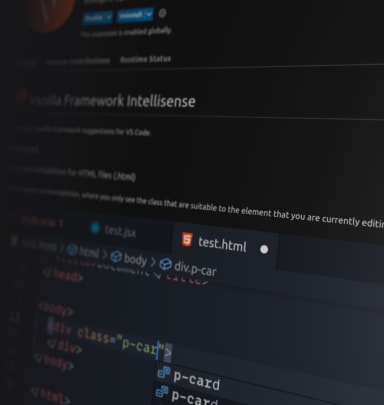
The Vanilla CSS Framework is a utility class-based and customizable SASS library that is the go-to when it comes to styling websites and dashboards across the majority of projects at Canonical. Knowing all the class utilities could be tricky. That’s why we make sure that our documentation is up-to-date and accessible as much as possible.
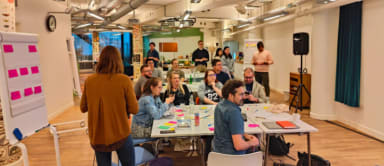
The Web and design team at Canonical runs in two-week iterations building and maintaining all of the Canonical websites and product web interfaces. Here are some of the highlights of our completed work from this iteration. During this iteration, the team met in London for a team workshop. It was the first time a lot

Last week, the web and design team organised an internal Hacktoberfest. Our goal was simple: contribute to Open Source projects, understand what makes a great contribution experience, and how we could get inspired for our own projects. Here are 3-step guides from our experience during this Hacktoberfest. 1. What should I contribute to? He
The Web and design team at Canonical runs in two-week iterations building and maintaining all of the Canonical websites and product web interfaces. Here are some of the highlights of our completed work from this iteration. Sites The Web team develops and maintains most of Canonical’s sites like ubuntu.com, canonical.com and more. We move
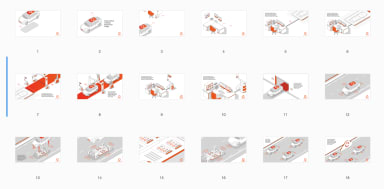
The Web and design team at Canonical runs in two-week iterations building and maintaining all of the Canonical websites and product web interfaces. Here are some of the highlights of our completed work from this iteration. Sites The Web team develops and maintains most of Canonical’s sites like ubuntu.com, canonical.com and more. Why Ope
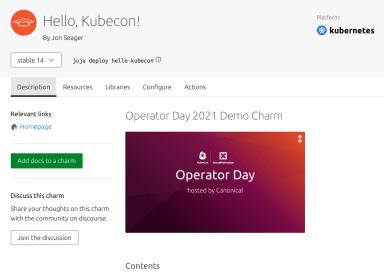
The Web and design team at Canonical runs in two-week iterations building and maintaining all of the Canonical websites and product web interfaces. Here are some of the highlights of our completed work from this iteration. Sites The Web team develops and maintains most of Canonical’s sites like ubuntu.com, canonical.com and more. Applica
The Web and design team at Canonical runs in two-week iterations building and maintaining all of the Canonical websites and product web interfaces. Here are some of the highlights of our completed work from this iteration. Sites The Web team develops and maintains most of Canonical’s sites like ubuntu.com, canonical.com and more. We move
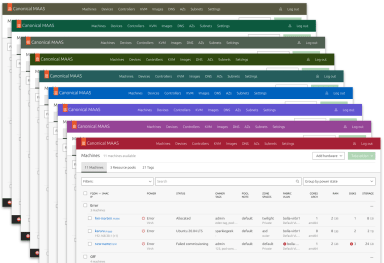
The Web and design team at Canonical runs in two-week iterations building and maintaining all of the Canonical websites and product web interfaces. Here are some of the highlights of our completed work from this iteration. Sites The Sites team develops and maintains most of Canonical’s sites like ubuntu.com, canonical.com and more. Relea
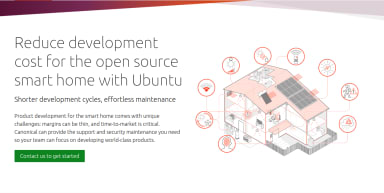
The Web and design team at Canonical runs two-week iterations building and maintaining all of the Canonical websites and product web interfaces. Here are some of the highlights of our completed work from this iteration. Web The Web team develops and maintains most of Canonical’s sites like ubuntu.com, canonical.com and more. In this iter

We try hard to make our products as intuitive and familiar as possible, but there will always be “advanced” options and rarely-used features. So how do we decide what order and prominence to give to these lesser-used features?
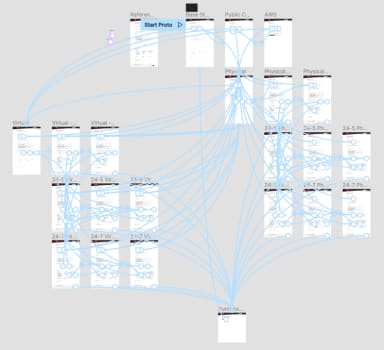
The Web and design team at Canonical run two-week iterations building and maintaining all of the Canonical websites and product web interfaces. Here are some of the highlights of our completed work from this iteration. Web The Web team develops and maintains most of Canonical’s sites like ubuntu.com, canonical.com and more. Major update